Research and evaluation in practice

How an assignment is built

Four stages, each with something agreed in writing before the next begins. The method is proportionate to the decision: defensible enough to publish, practical enough to deliver on time.

Stage 01

Frame the question

Inception discussions, theory of change review, evaluation questions and indicator definitions agreed in writing.

  • Inception meeting and document review
  • Evaluation questions agreed and signed off
  • Indicator definitions fixed
Stage 02

Design and sample

Mixed-method design, transparent sampling, instrument development and enumerator training in local languages.

  • Sampling frame documented
  • Instruments drafted, translated, pilot tested
  • Enumerators recruited and trained locally
Stage 03

Collect and verify

Digital data collection, supervisory back-checks, consent protocols and daily data quality review.

  • Digital capture with built-in validation
  • Spot re-interviews and GPS review
  • Daily reconciliation of incoming data
Stage 04

Report and use

Validation with stakeholders, decision-ready reporting, and support to act on the recommendations.

  • Stakeholder validation workshop
  • Findings, limitations and recommendations
  • Support to act on what the evidence says
Feedback loop

Findings feed back into design: indicators, instruments and sampling are revised for the next round, so each assignment strengthens the client's own measurement system rather than producing a report that sits on a shelf.

Methods & instruments

The method follows the question

PMEye designs and implements mixed-method research across humanitarian, development and public sector programmes. Instruments are selected for the evaluation question, the population and the operating environment, not applied as a template.

Most assignments combine structured measurement with qualitative depth, so that findings are both representative and explainable.

  1. Question
  2. Design & sample
  3. Collect
  4. Verify
  5. Analyse
  6. Validate
  7. Use
Methodology families
01 · Quantitative

Measurement and change over time

Establishes what is happening, for how many people, and whether it has shifted since the last round.

  • Household and population surveys
  • Baseline, midline and endline measurement
  • Facility and service-delivery assessments
  • Beneficiary verification and spot checks
  • Knowledge, attitude and practice (KAP) surveys
  • Routine monitoring and secondary data review
  • Sampling design, weighting and statistical analysis
02 · Qualitative

Explanation, context and experience

Explains why the numbers look the way they do, and surfaces what a survey instrument was never going to ask.

  • Key informant interviews (KIIs)
  • Focus group discussions (FGDs)
  • In-depth and life-history interviews
  • Case studies and most significant change
  • Direct observation and transect walks
  • Document, policy and literature review
  • Thematic coding and qualitative analysis
03 · Participatory

Community voice inside the design

Puts the people a programme is meant to serve in the position of assessing it, rather than only answering about it.

  • Community score cards
  • Participatory rural appraisal (PRA) tools
  • Social and resource mapping
  • Seasonal calendars and daily activity charts
  • Wellbeing and wealth ranking
  • Community feedback and validation sessions
  • Stakeholder validation workshops
04 · Spatial & digital

Where things are, and what moved

Locates services and populations in real geography, and shortens the distance between a completed interview and a usable dataset.

  • GPS and GIS mapping of facilities and infrastructure
  • Geo-tagged data collection
  • Digital forms with skip logic and validation rules
  • Dashboards and data visualisation
  • Remote and hybrid data collection
  • Automated data quality checks
Field technology

Digital data collection, built for field conditions

Instruments are built as digital forms and deployed on tablets or phones. The platform is chosen to fit the reporting environment of the commissioning organisation and the connectivity of the assignment area.

Mobile data collection

  • KoboToolbox
  • ODK
  • SurveyCTO
  • ArcGIS Survey123

Geospatial

  • QGIS
  • QField
  • ArcGIS
  • GPS / GNSS devices

Analysis & visualisation

  • Excel
  • Power BI
  • Stata
  • R
  • Python

Qualitative analysis

  • MAXQDA
  • NVivo

Form design

  • XLSForm

Platforms available and selected according to assignment requirements.


What digital fieldwork enables

Offline collection

Enumerators keep working where there is no signal; submissions sync when connectivity returns.

GPS-stamped records

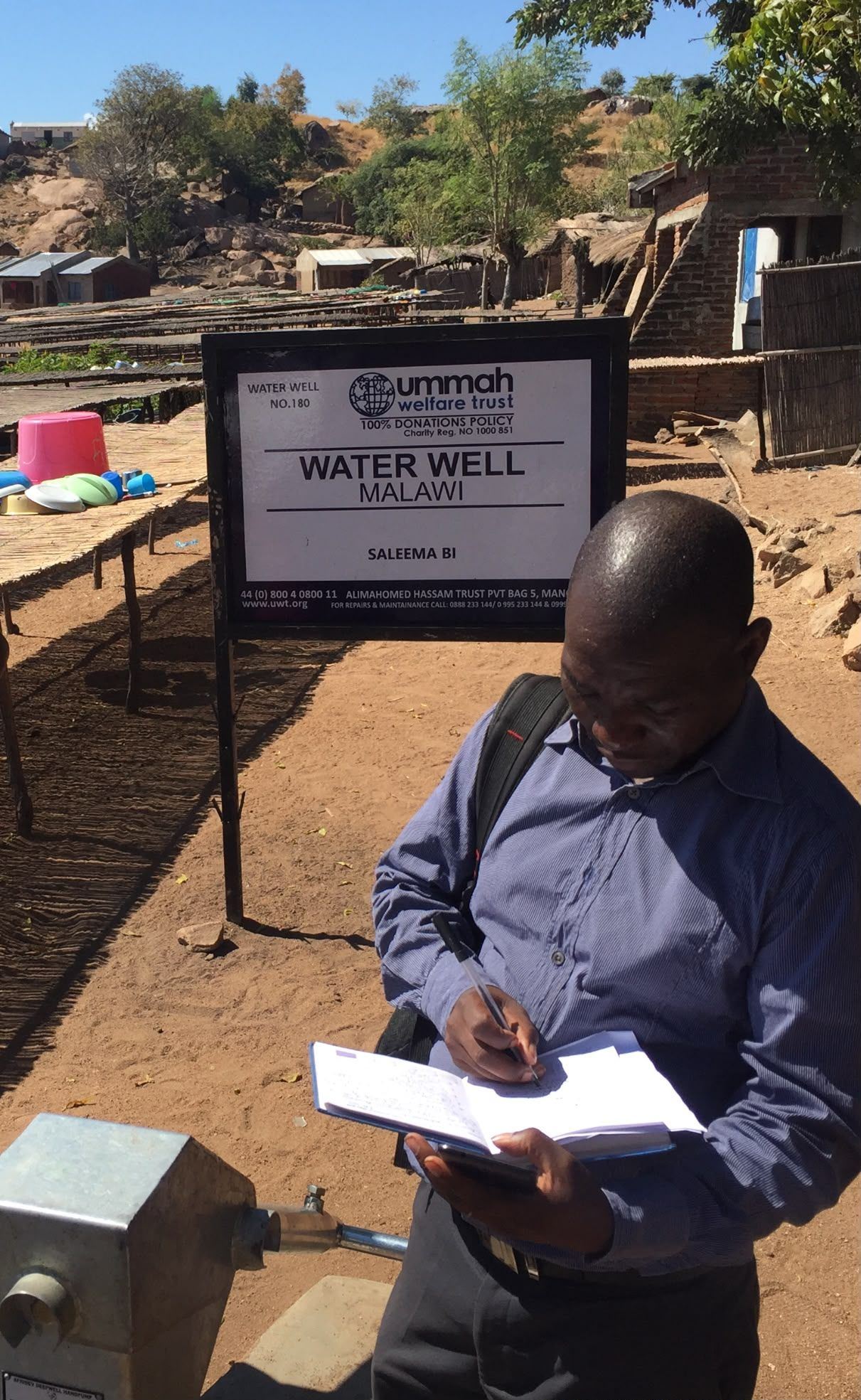
Each submission carries a location and timestamp, so an interview can be verified after the fact.

Validation at entry

Skip logic, range checks and mandatory fields stop errors before they reach the dataset.

Real-time supervision

Team leaders see submission counts and quality flags while the team is still in the field.

Faster turnaround

Data arrives analysis-ready, shortening the gap between the last interview and the first finding.

Quality assurance in the field

Quality is built in before the first interview

Data quality is a sequence of decisions taken during fieldwork, not a check applied to a finished dataset. Every round runs through the same steps.

  1. 01

    Instrument design

  2. 02

    Translation and back-translation

  3. 03

    Enumerator training

  4. 04

    Pilot and instrument revision

  5. 05

    Live field supervision

  6. 06

    Back-checks and spot checks

  7. 07

    Daily data review

Research designed for women's participation

Reaching women is a design decision, not a logistical afterthought. We build female enumerator teams, run female-only focus groups, and hold them in places and at times when participants can actually attend and speak freely. Consent is taken in the language of the interview, and results are disaggregated by sex so that differences show up in the findings rather than being averaged away. Without this, half the population answers through someone else.

Methods in practice

Instruments in the field

Field access

Data from places that are hard to reach

Where the sample is hardest to reach, the evidence is usually thinnest, and the decisions that depend on it are the most consequential.

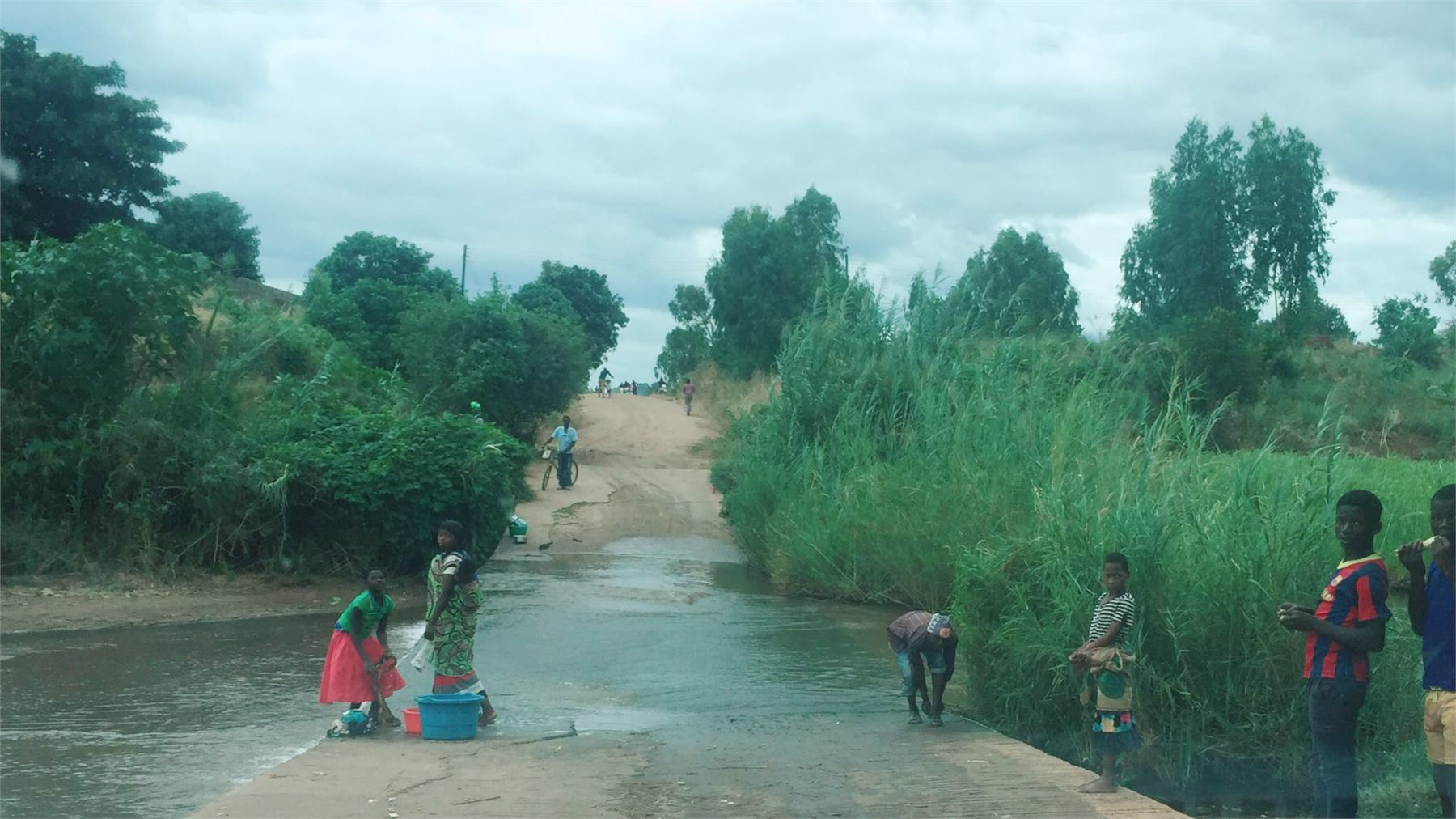
Community members crossing a flooded causeway on a rural route, with a cyclist and pedestrians fording the water
Routes to many sample locations are seasonal. Access is planned into the design.

Remote and dispersed communities

Mountain districts, riverine and island settlements, and areas without road access. Access is planned into the design, not improvised in the field.

Local-language enumeration

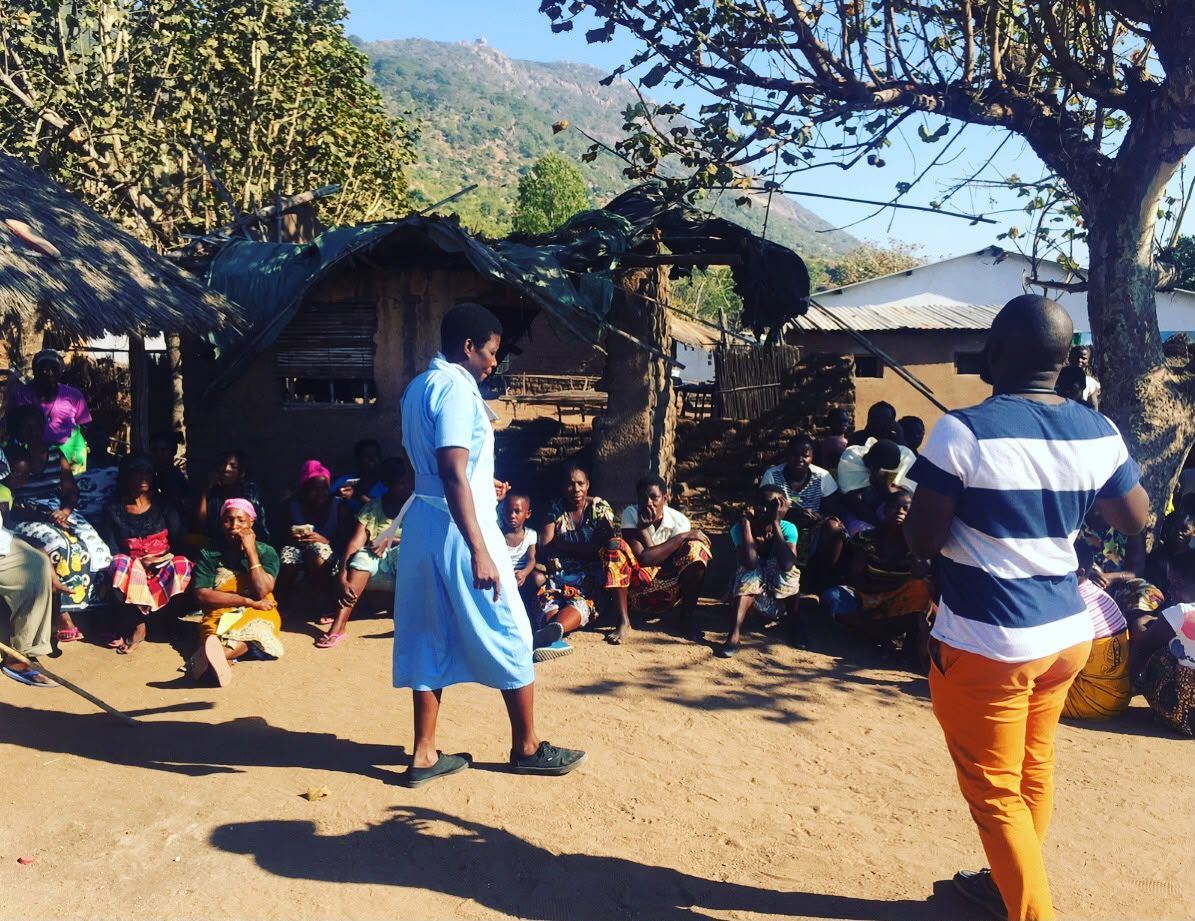
Teams recruited and trained locally, with female enumerators for women-centred research, working in Urdu, Pashto, Swahili, Chichewa and the other languages of the communities we survey.

Safety, consent and inclusion

Documented protocols for informed consent, safeguarding and data protection, applied on every assignment.

Quality assurance

What we check before findings are released

Fieldwork quality is handled in the field, step by step. These two checks sit after it, between a finished dataset and a published finding. They are the reason our limitations sections are honest.

Check 01

Analysis reviewed by a second specialist

Findings tested against the data by someone who did not produce them, with limitations stated rather than smoothed over.

Check 02

Validation with those who took part

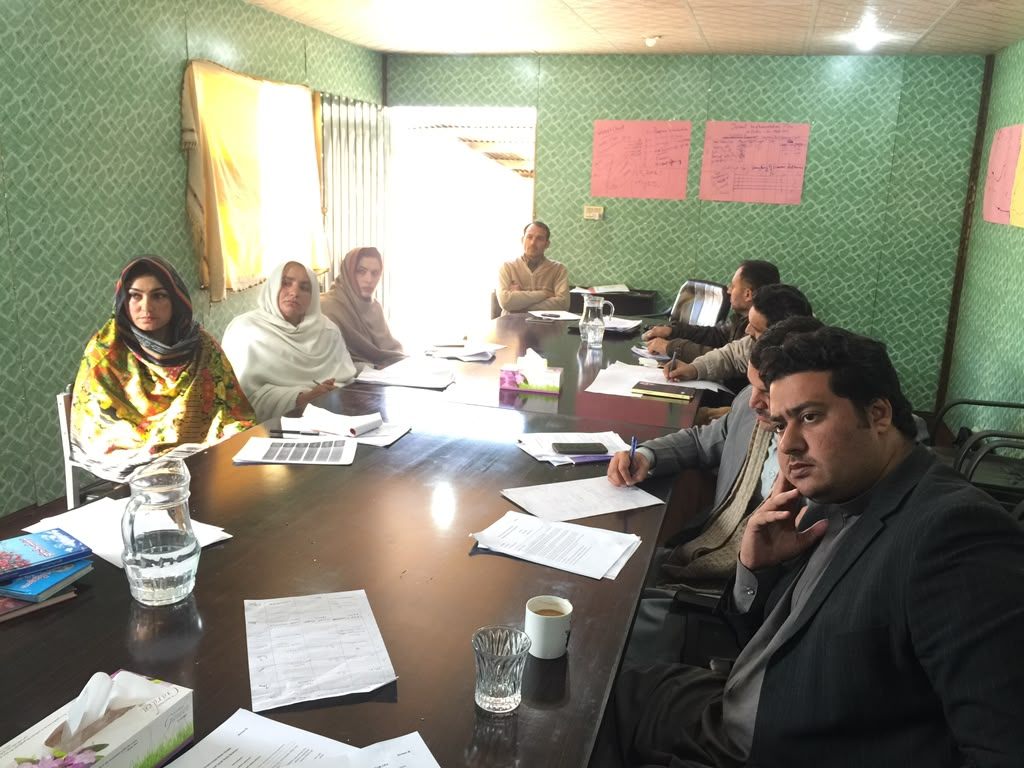
Stakeholder workshops to test interpretation and agree what should happen next, including with the communities that provided the data.

Responsible use of data

Tooling accelerates the work. Accountability stays with our people.

Digital collection and structured analysis shorten timelines considerably. They do not change who is answerable for a finding.

Where automated analysis is used, a specialist reviews the output before it informs a conclusion. Data-protection protocols govern what is collected, how it is stored and who can see it. If a finding cannot be traced back to the evidence that produced it, it does not go in the report.

Common questions

What clients ask before commissioning

How do you keep an evaluation genuinely independent?

Analysis is kept separate from delivery, and findings are tested by a second specialist who did not produce them. Where we have also implemented, we say so plainly in the report rather than leaving the reader to discover it.

What happens if the data does not support the expected conclusion?

We report it. Limitations are stated rather than smoothed over, and interpretation is tested at the validation workshop with the people who took part. A report that only confirms what was assumed has not earned its cost.

How quickly can fieldwork start?

That depends on instrument sign-off and enumerator recruitment in the district concerned. We will give you a realistic date at proposal stage, including the training window, rather than a date that assumes everything goes right.

Can you work in insecure or access-constrained locations?

Yes. It is a substantial part of our practice. Access planning, local recruitment and documented safety protocols are built into the design from the start.

Do you hand over the instruments and systems?

Yes. Instruments, sampling documentation and, where relevant, the data system are handed over so your team can run the next round. Structured knowledge transfer is part of the assignment, not an extra.

Working with PMEye

Have terms of reference? We will respond with a design.

Design, team, timeline and price. Or, if the method is not settled yet, options scoped against the decision you face.