Health
Health outreach to remote communities
Assessment of mobile and boat-based outreach: coverage, referral pathways and continuity of care for populations without road access to a facility.

A sample of recent work. Full reference lists, technical briefs and client references are available on request as part of a proposal.
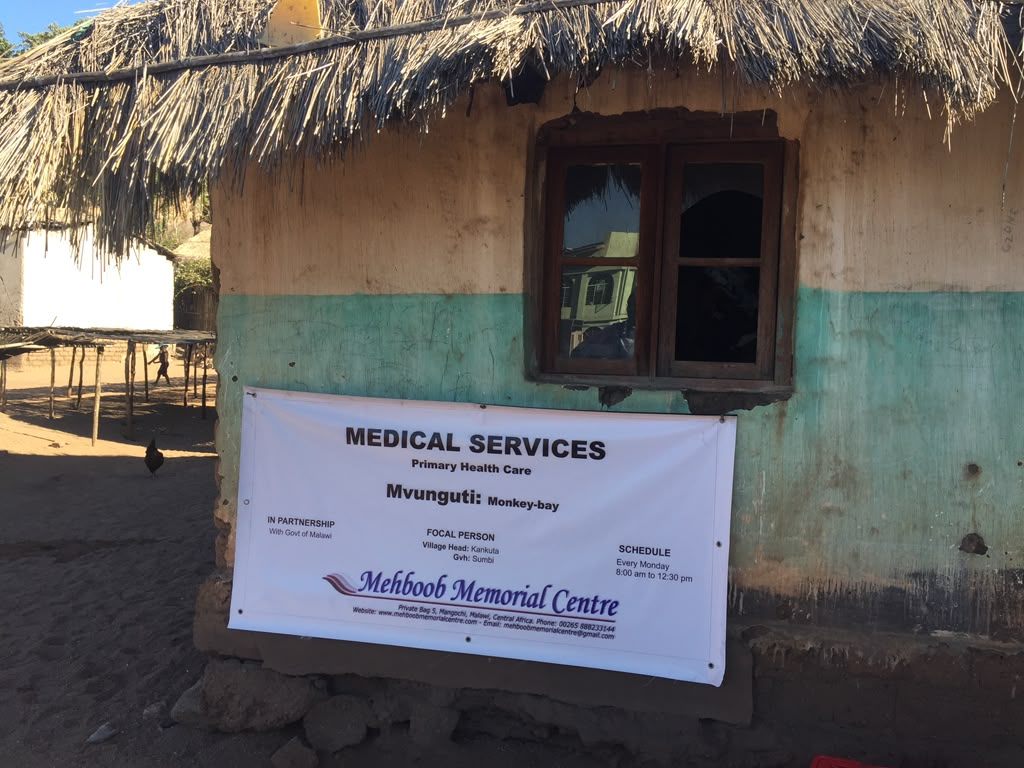
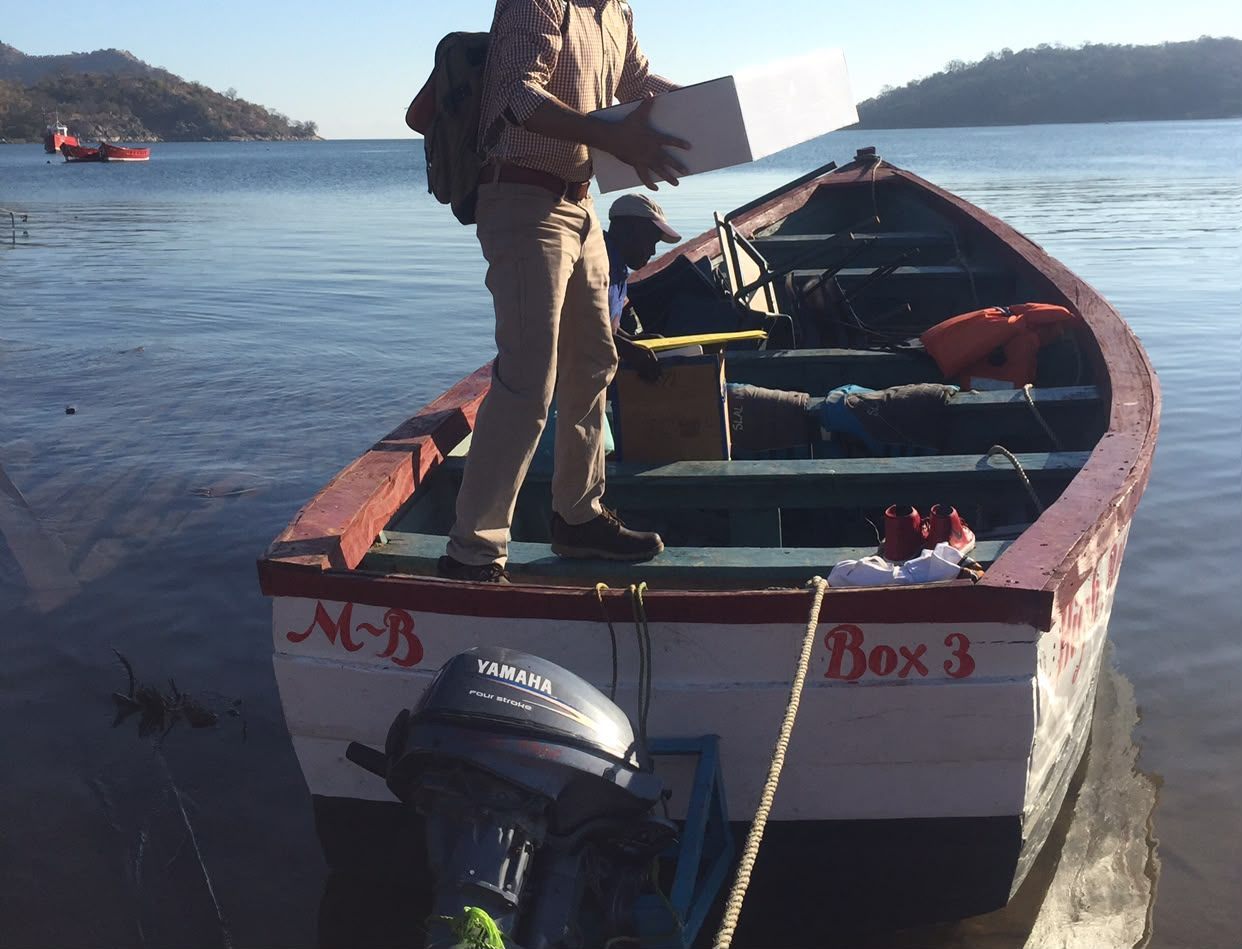
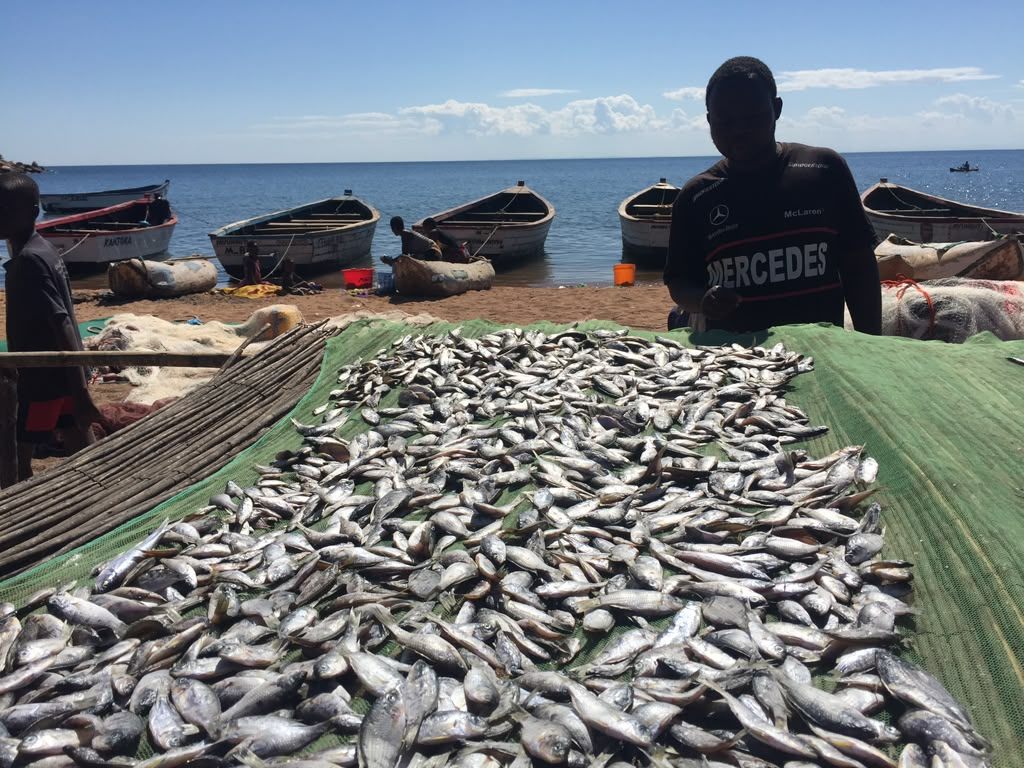
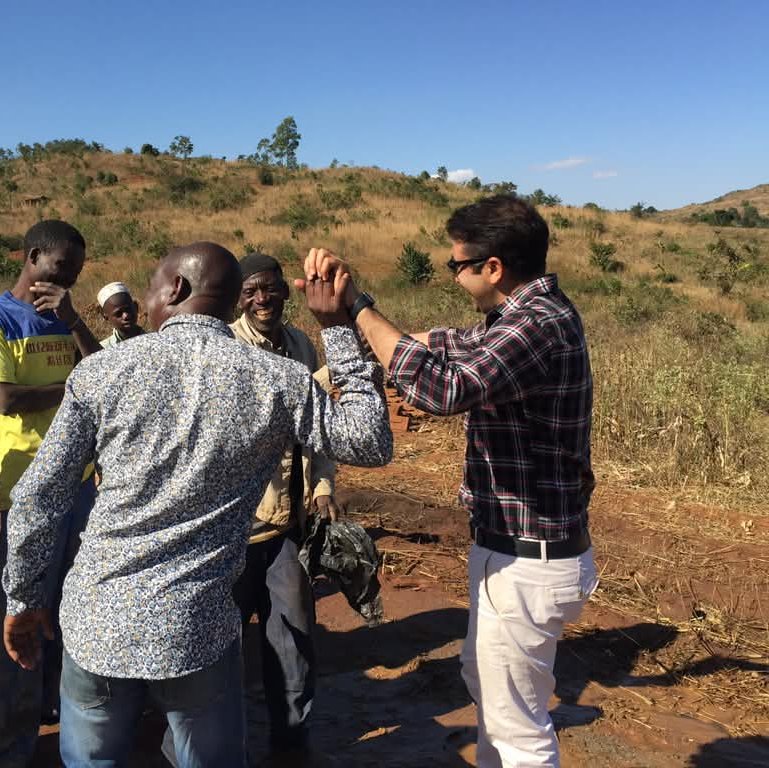
Data collection and health outreach in lakeside districts, where teams and equipment travel by boat and there is no road access to many settlements.

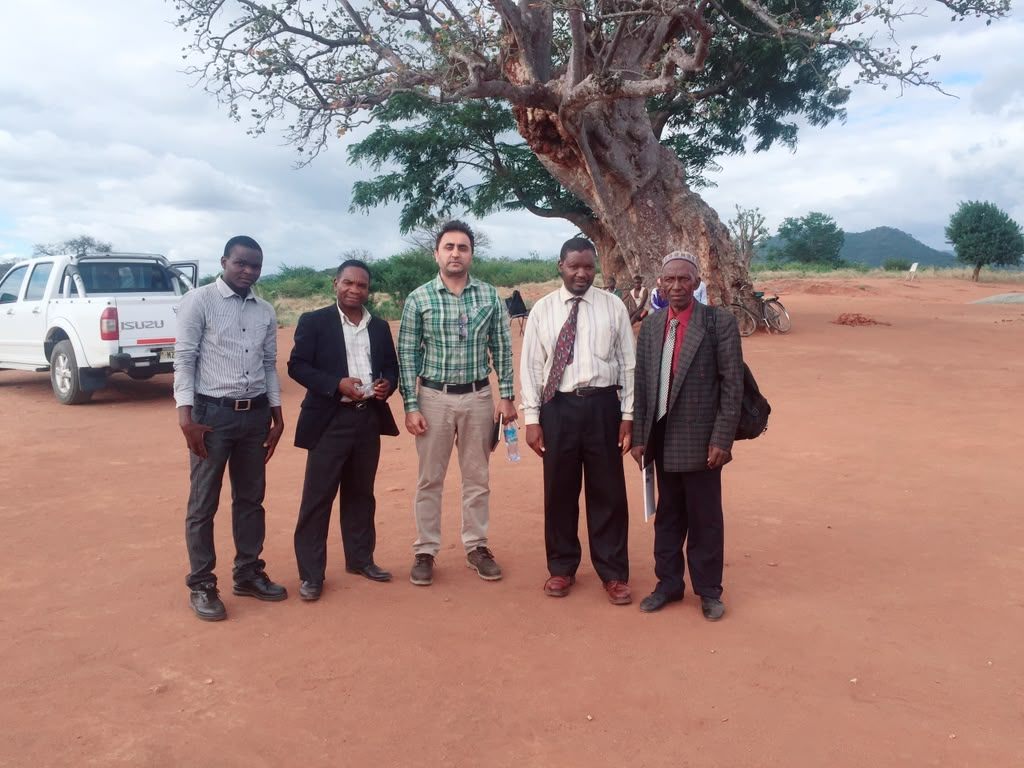
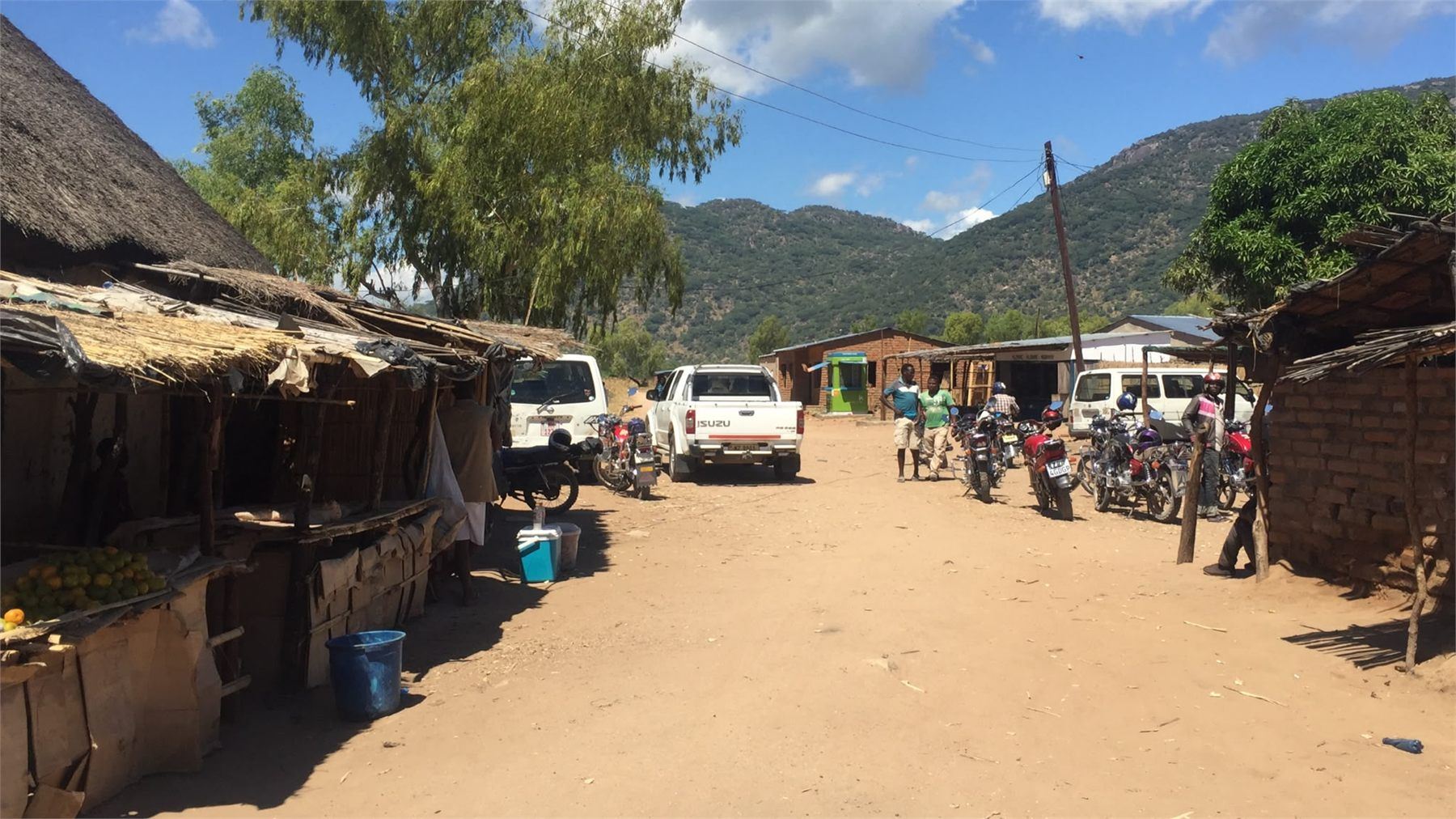
Two 2026 assignments applying equity, human rights and gender analysis to national malaria planning, in both cases as a contributing technical partner rather than as lead. The question in each was the same: which populations does the programme not currently reach, and what would it take to reach them.
A qualitative assessment of the barriers keeping mobile, informal and marginalised populations outside routine malaria and primary health care. Fieldwork covered artisanal and small-scale miners, seasonal agricultural workers, cross-border and mobile populations, and apostolic religious communities. Findings were taken back to the people who gave them in a validation workshop, then converted into provincial commitments in an action-planning session.
Technical assistance embedding equity, human rights and gender into a national malaria programme review and the strategic plan that followed it, so that internally displaced people, refugees, people with disabilities, migrants and detained populations appear in delivery, monitoring and financing frameworks rather than only in the narrative.
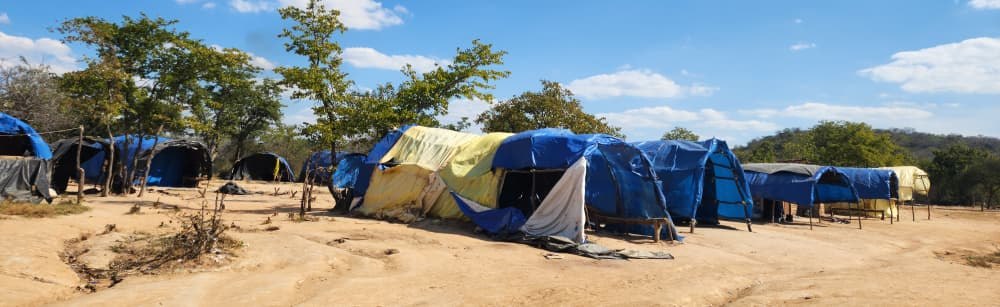
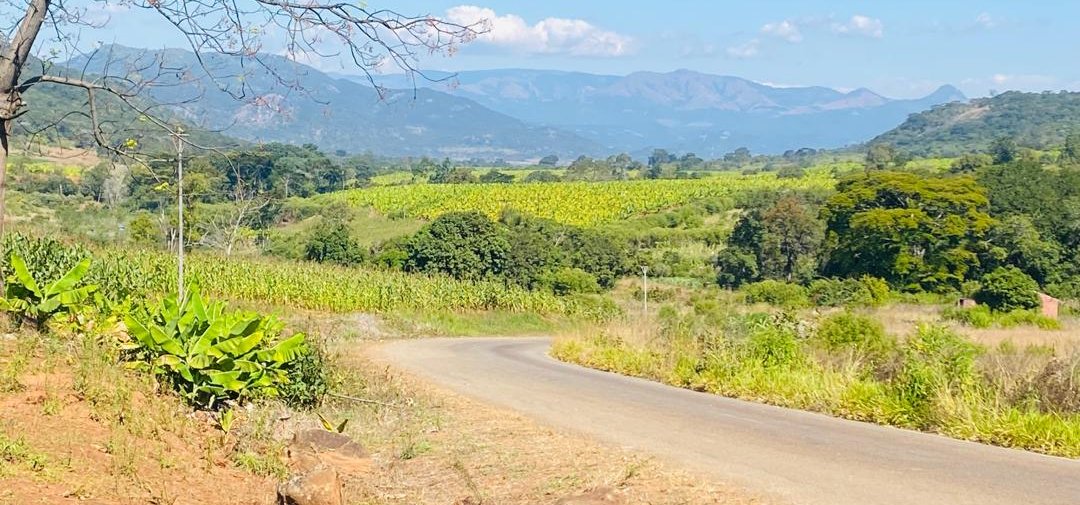
A UK donor funding medical scholarships in Pakistan needed independent assurance that the right students were being selected and that the funding was reaching them. PMEye was engaged directly to find out.
The verification was deliberately face to face. Our consultant travelled to the students' own institutions and met each scholarship holder individually, rather than relying on returns from the administering colleges. Alongside the interviews we reviewed how the university scholarship committees had made their selections, and had supporting documentation verified through each institution's scholarship coordinator before it was accepted.
The finding reported to the donor was that the process was sound and that the students selected were genuinely among the most disadvantaged. On the strength of that work, PMEye was subsequently appointed to select and manage the scholarship cohort directly, and did so over three years.
Scholarship schemes are unusually exposed. The money goes to individuals rather than an institution, the beneficiaries are dispersed, and the people best placed to confirm that a student is deserving are often the same people who selected them.
Independent verification breaks that loop. It is also the point at which a funder finds out whether a programme is working for the students, not only whether the paperwork is complete, which is why every interview asked what the scholarship was actually doing for the student and what should change.
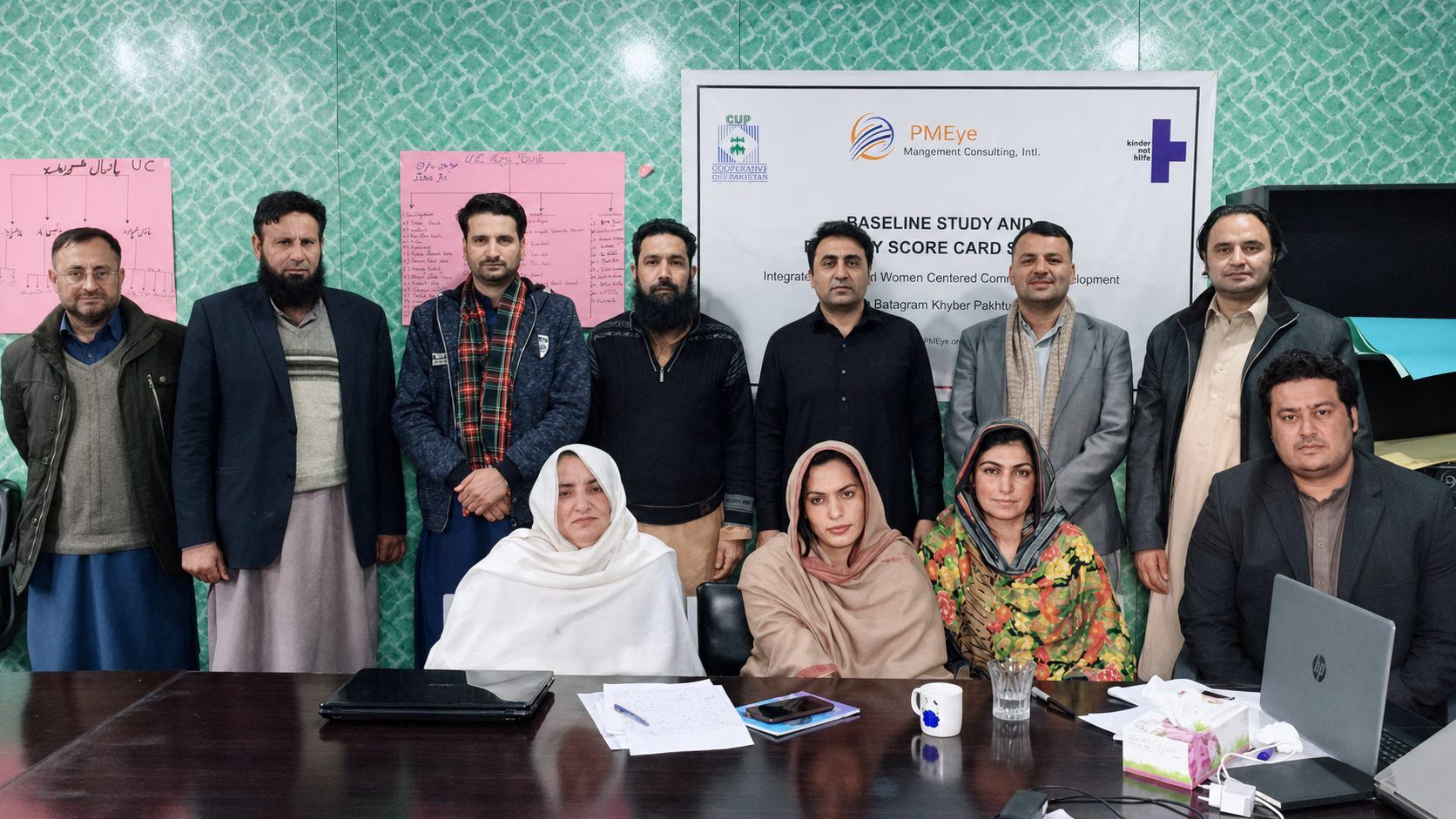
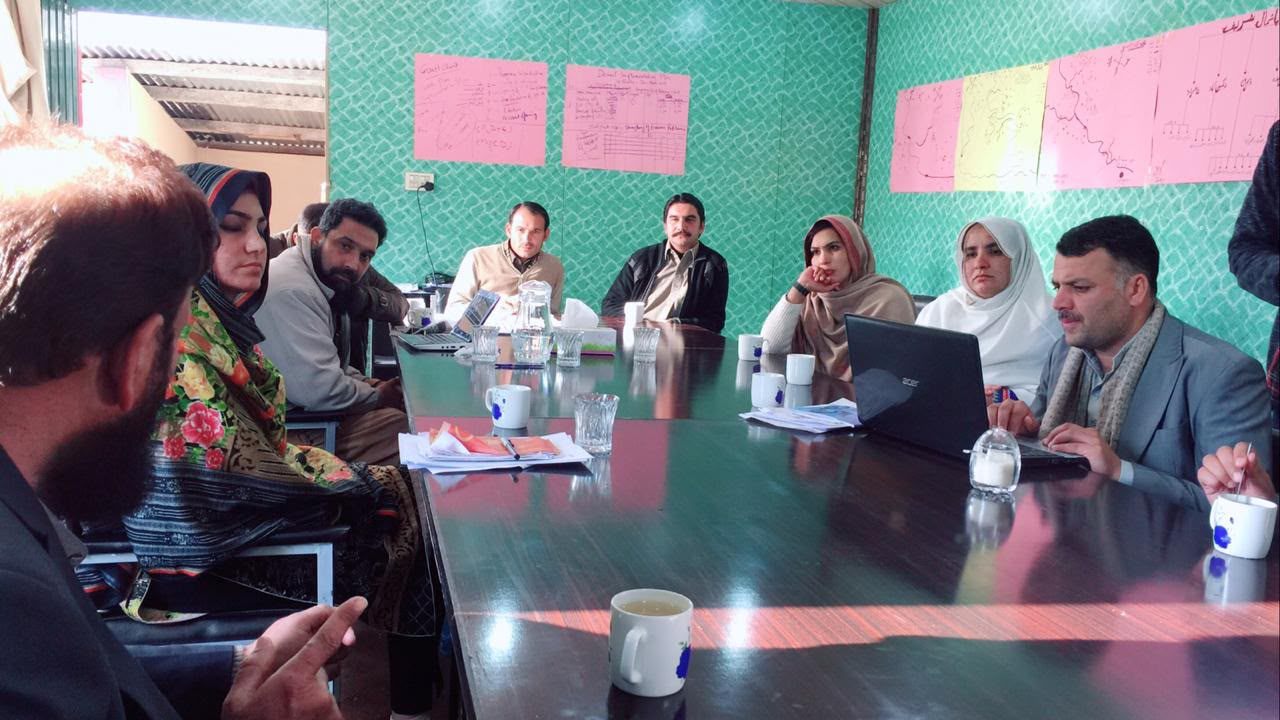
Baseline measurement and a community score card survey for an integrated, women-centred community development programme in Batagram, Khyber Pakhtunkhwa.
The assignment combined a household survey with participatory community score cards, so the programme had both a measurement baseline and a mechanism for communities to rate the services they receive. District stakeholder workshops tested the interpretation before the report was finalised.
Assessment of mobile and boat-based outreach: coverage, referral pathways and continuity of care for populations without road access to a facility.
Review of a tablet-supported intervention: teacher practice, learner engagement and learning outcomes across rural districts.
Advisory and field verification supporting the reopening of schools after COVID-19, including community engagement, WASH readiness and enrolment monitoring.
PMEye partnered with BeyondSolutions on education sector consulting in Afghanistan, providing senior technical input rather than leading the engagement. The work drew on our education and evaluation specialists, contributing sector analysis, review of programme design and technical quality assurance on reporting. Access constraints make remote working and locally supported data collection the norm in this context, and the assignment was structured accordingly.
Regional engagement and assignment experience through the Nairobi hub, supporting East and Southern Africa work.
Lead consultant on the capacity development component of the Khyber Pakhtunkhwa Cities Improvement Project, financed by the Asian Development Bank (ADB): the establishment case and curriculum for a provincial Local Governance School serving municipal administrations and water and sanitation companies, Local Council Resource Centres across 26 districts, and restructuring of the provincial local government directorate.
Project examples shown. Full reference lists, technical briefs and client references are provided as part of a proposal or on request.
PMEye delivered our baseline study and community score card survey to a standard we could take straight to our donor. Their team trained local enumerators, reached households across difficult terrain in Batagram, and gave us a measurement system we now run ourselves, not just a report.
Chief Executive Officer
CUP (Community Uplift Program)
With PMEye's grant acquisition support, we secured vital multi-year funding for our education and health projects in southern Malawi.
Regional Director
Euro Charity Trust, UK
We provide detailed assignment references, technical briefs and client contacts as part of a proposal.